Your Dryer Running Hot and Slow? The Vent Is Usually the Problem
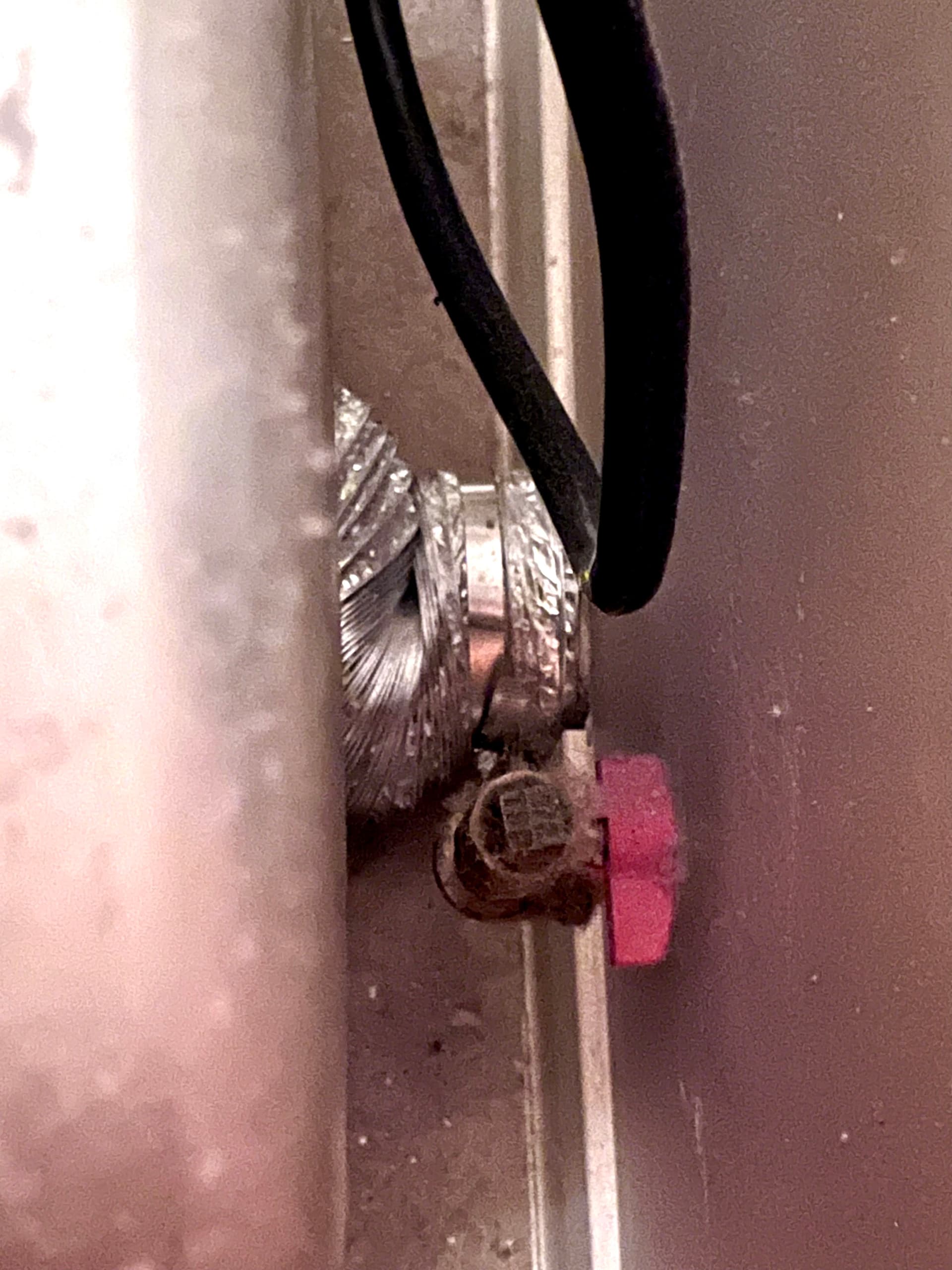
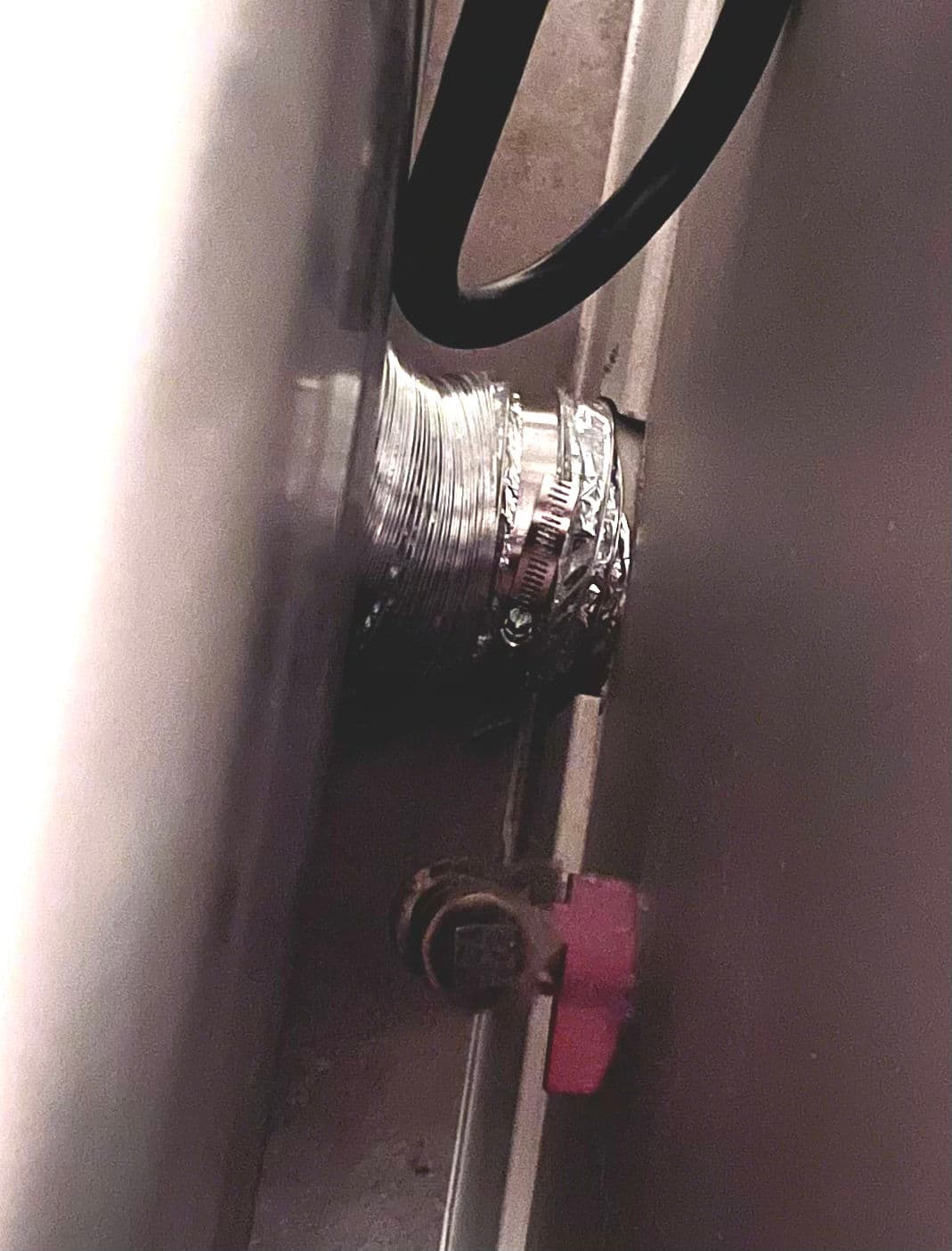
If your dryer is taking two cycles to dry one load, or it's running hotter than it used to, don't assume the machine is broken. Nine times out of ten, the vent is the culprit. A bent, crushed, or never-cleaned vent hose chokes off the airflow your dryer depends on - and when that happens, everything suffers.
Here's the part most people don't think about: a restricted dryer vent isn't just an efficiency problem. It's a fire hazard. Lint is highly flammable, and when it builds up inside a vent that can't properly exhaust heat, you're sitting on a real risk. The U.S. Fire Administration has flagged dryer vents as one of the leading causes of house fires, and the fix is usually pretty simple.
What we see on a lot of these jobs is a vent connection that's been squished behind the dryer, kinked at a bad angle, or never properly secured to begin with. When the hose gets compressed or bent tight against the wall, airflow gets cut down dramatically - even if the vent looks fine from the outside. That's exactly the kind of thing that gets missed when someone just does a surface-level cleaning and calls it done.
We don't do halfway work. When we clean a dryer vent, we're checking the full run - from the connection point at the back of the dryer all the way through to the exterior exhaust. We make sure the hose is clear, properly connected, and not kinked or crushed anywhere along the way. If something isn't right, we fix it.
If your dryer has been acting up and you're not sure what's going on, this is worth looking into sooner rather than later. A blocked vent is a small problem with a big downside if it gets ignored long enough.